
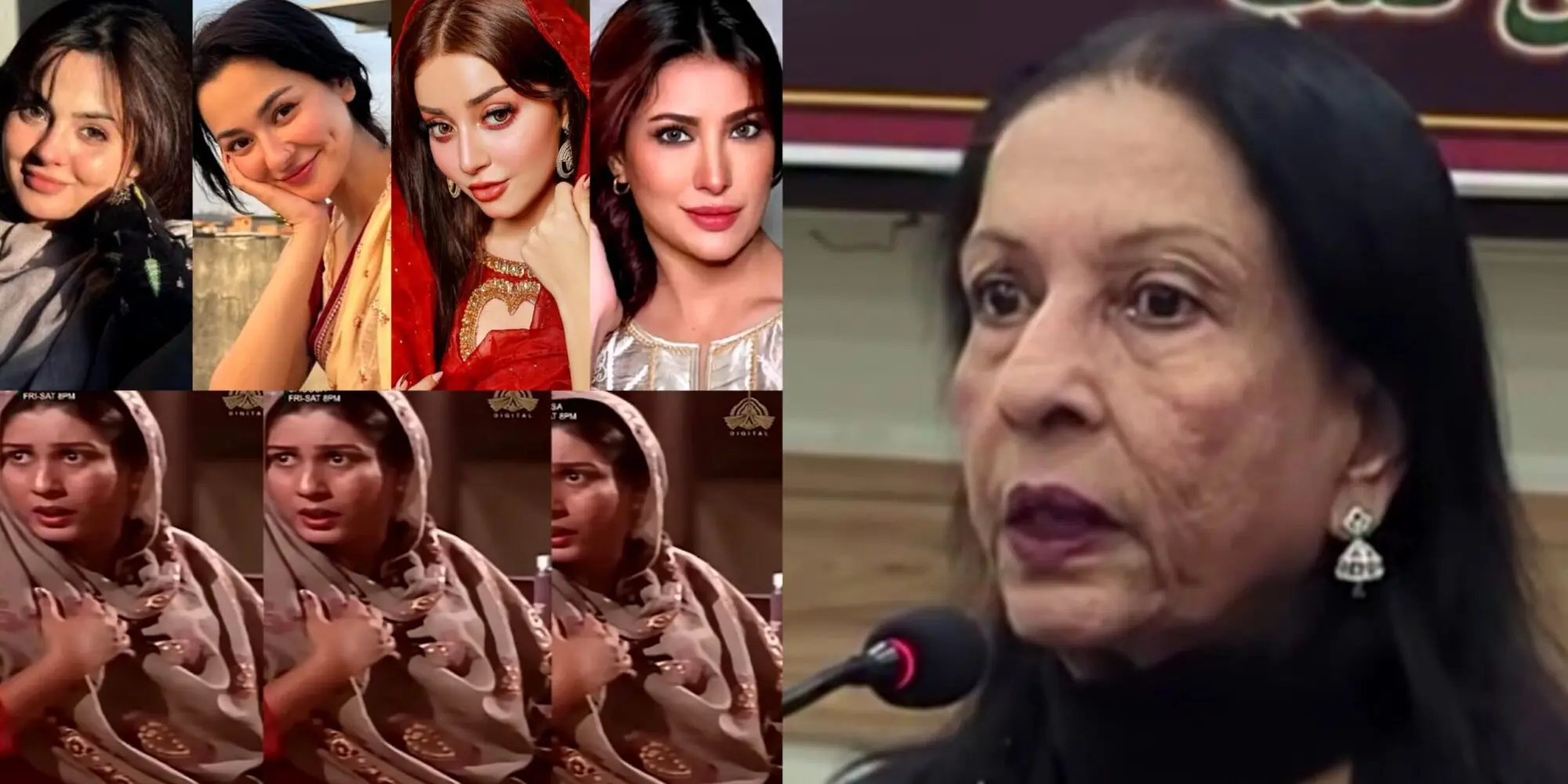
In an era increasingly defined by the pursuit of aesthetic perfection, veteran personality Neelofar Abbasi has ignited a crucial conversation, asserting that cosmetic procedures are systematically eroding individuality. Her poignant observation challenges the prevailing narrative, urging a deeper reflection on the societal cost of conforming to a singular beauty ideal.
Abbasi’s perspective resonates with a growing unease about the homogenization of faces seen across media and social platforms. The quest for flawless skin, symmetrical features, and a perpetually youthful appearance often leads individuals down a path where unique characteristics, once celebrated, are now deemed imperfections to be corrected. This drive for uniformity, she suggests, strips away the very essence of what makes each person distinct.
The allure of cosmetic enhancements is undeniable, fueled by celebrity culture, social media filters, and an industry that promises transformation. However, as more people opt for similar treatments, a striking resemblance begins to emerge among those who undergo extensive procedures. The subtle lines of experience, the distinctive curve of a nose, or the unique shape of eyes – features that tell a personal story – can be smoothed over, filled in, or reshaped into a generic template of beauty.
This phenomenon raises significant questions about identity and self-acceptance. If our faces become interchangeable, what happens to our sense of self? Abbasi’s commentary serves as a powerful reminder that true beauty often lies in authenticity and the celebration of one’s natural form. It’s a call to embrace the unique tapestry of our features, rather than succumbing to pressures that encourage us to erase the very individuality that makes us, us.







Comments