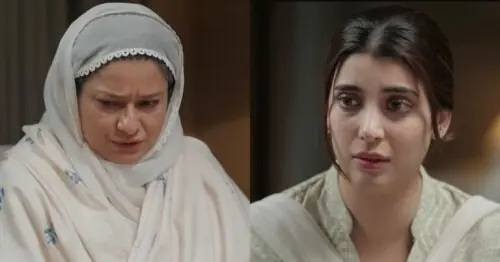
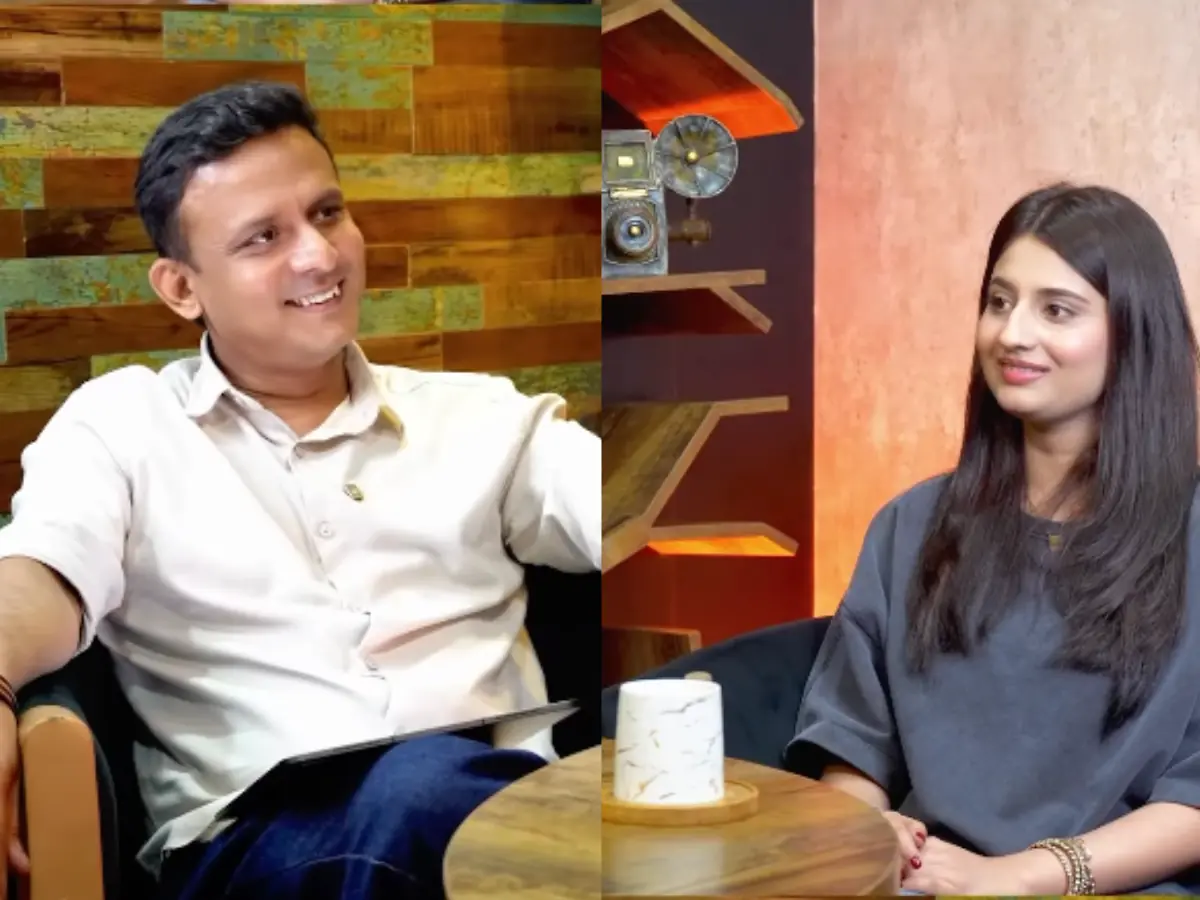
Haya Khan, a prominent figure in Pakistan’s entertainment landscape, has recently offered a rare and unfiltered glimpse into the often-glamorous yet complex world of showbiz. Her candid revelations shed light on the systemic challenges faced by artists, from navigating a pervasive lack of transparency to the relentless pressures of public life and the critical need for maintaining on-set boundaries.
At the heart of Khan’s observations is the industry’s struggle with transparency. This often manifests as unclear contractual agreements, ambiguous project details, and a general lack of clear communication that can leave artists feeling vulnerable and uncertain about their professional trajectory. Such an environment can hinder career planning and foster an atmosphere where professional growth is often overshadowed by ambiguity.
Another crucial aspect highlighted is the difficulty in establishing and enforcing personal and professional boundaries on set. In a demanding and often intimate working environment, the lines between personal space and professional expectations can easily blur. Khan emphasizes that maintaining these boundaries is not just about personal comfort but is fundamental to an artist’s well-being, mental health, and professional integrity, ensuring a respectful and safe working atmosphere for all involved.
Beyond the immediate production environment, the immense pressure of living under constant public scrutiny takes a significant toll. Every aspect of an artist’s life, from their professional choices to their personal relationships, is subject to intense public debate and media speculation. This relentless visibility demands an extraordinary level of resilience and often leads to considerable mental and emotional strain, making privacy a luxury few can afford.
Khan’s willingness to speak out contributes to a vital ongoing dialogue within the industry. Her insights resonate with broader conversations initiated by other leading figures, such as Mahira Khan, who has taken the message of the industry’s evolving landscape and its challenges to international platforms, including prestigious academic institutions. These discussions collectively underscore a growing desire for a more structured, supportive, and transparent environment where talent can flourish without compromising well-being or professional ethics.
Ultimately, Haya Khan’s powerful reflections serve as a compelling call for introspection and reform within the Pakistani entertainment sector, advocating for a future where artists are empowered, protected, and can thrive in an industry that values both their craft and their welfare.