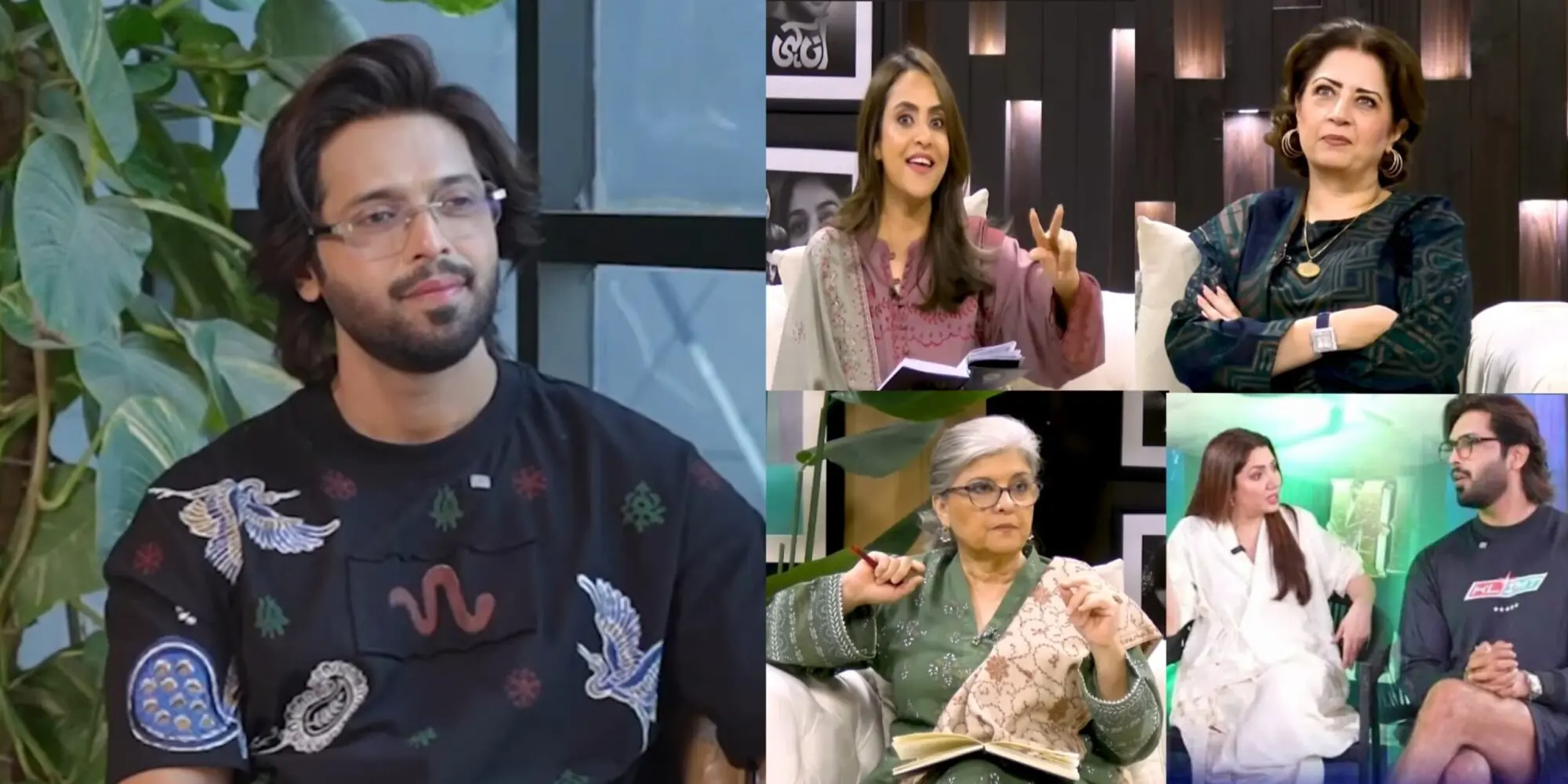
The landscape of celebrity in the entertainment industry is rapidly evolving, with a growing number of actors venturing beyond the silver screen into the bustling world of business. This trend, however, has not been without its detractors, sparking what has been dubbed the ‘Stars & Shorts’ criticism. At the heart of this debate is the question of whether actors should stick to their craft or leverage their immense popularity for commercial enterprises. Leading actor and host Fahad Mustafa has recently weighed in, offering a robust defense of his peers’ entrepreneurial pursuits.
Mustafa, a prominent figure known for his candid opinions, understands the allure and necessity of diversification. His own family has a history with business ventures, with his father having clarified plans for a biryani business, indicating a personal connection to the entrepreneurial spirit. For Mustafa, the move into business is not merely a sideline but a strategic and often essential step for actors in a demanding industry.
The ‘Stars & Shorts’ criticism often implies a concern that actors are diluting their artistic integrity or focusing on short-term gains rather than long-term craft. It questions the authenticity of celebrity-led brands and the perceived commercialization of their public image. However, Mustafa’s perspective suggests a more pragmatic view: actors, like any other professionals, seek financial stability and avenues for growth. Their fame provides a unique platform, and it’s only natural to capitalize on it responsibly.
In an industry where public scrutiny is constant – as evidenced by instances where even established stars like Mahira Khan and Fahad Mustafa himself have openly discussed being trolled – actors face immense pressure. Building a business empire can offer a sense of security and control that acting roles alone might not always provide. It allows them to create legacies beyond their performances, contributing to the economy and creating opportunities for others.
The discussion ignited by Fahad Mustafa highlights a broader shift in how celebrity is perceived and utilized. It challenges the traditional notion that actors must remain solely within the confines of their artistic roles. Instead, it champions the idea of a multi-faceted celebrity, capable of excelling both on screen and in the boardroom. As the lines between art and commerce continue to blur, Mustafa’s insights offer a compelling argument for embracing the entrepreneurial spirit within the entertainment world.