
A seemingly innocuous moment – a public embrace between prominent figures Hina Afridi and Faraz Farooqui – has unexpectedly ignited a fierce debate across social media and traditional circles, casting a spotlight on societal expectations and celebrity conduct.
The image, capturing a warm hug between the two, quickly went viral, initially shared as a moment of camaraderie. However, what began as a simple gesture swiftly escalated into a moral policing frenzy. Critics were quick to condemn the public display of affection, deeming it inappropriate and against prevailing cultural norms.
The backlash was immediate and intense. Social media platforms became battlegrounds for impassioned arguments, with many users expressing outrage over the perceived transgression of public decency. The incident sparked a broader conversation about the boundaries of public interaction, especially for celebrities who are often held to higher, sometimes unrealistic, standards of conduct.
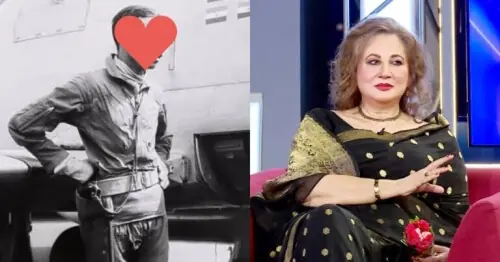
Adding significant fuel to the already raging fire, a notable public figure, Mrs. Khan, reportedly urged mothers to ‘tighten their daughters’ screws.’ This statement was widely interpreted as a call for stricter oversight on young women’s conduct and public interactions, directly linking the incident to a broader societal concern about moral decay and the need for conservative values. Her remarks resonated with a segment of society advocating for more traditional gender roles and public decorum, further intensifying the scrutiny on Afridi and Farooqui.
The controversy surrounding the hug underscores the perennial tension between personal freedom and societal expectations, particularly for public figures in a culturally sensitive environment. It highlights the intense scrutiny celebrities face, where even a fleeting moment can be dissected, judged, and used as a catalyst for discussions on morality, tradition, and modernity.
While some voices have emerged in defense of the celebrities, advocating for personal liberty and a more progressive outlook, the dominant narrative has been one of condemnation. The incident serves as a potent reminder of the powerful influence of social media in shaping public discourse and the ongoing struggle to navigate evolving social norms in a rapidly modernizing world, where every public action can become a subject of widespread debate and moral judgment.