
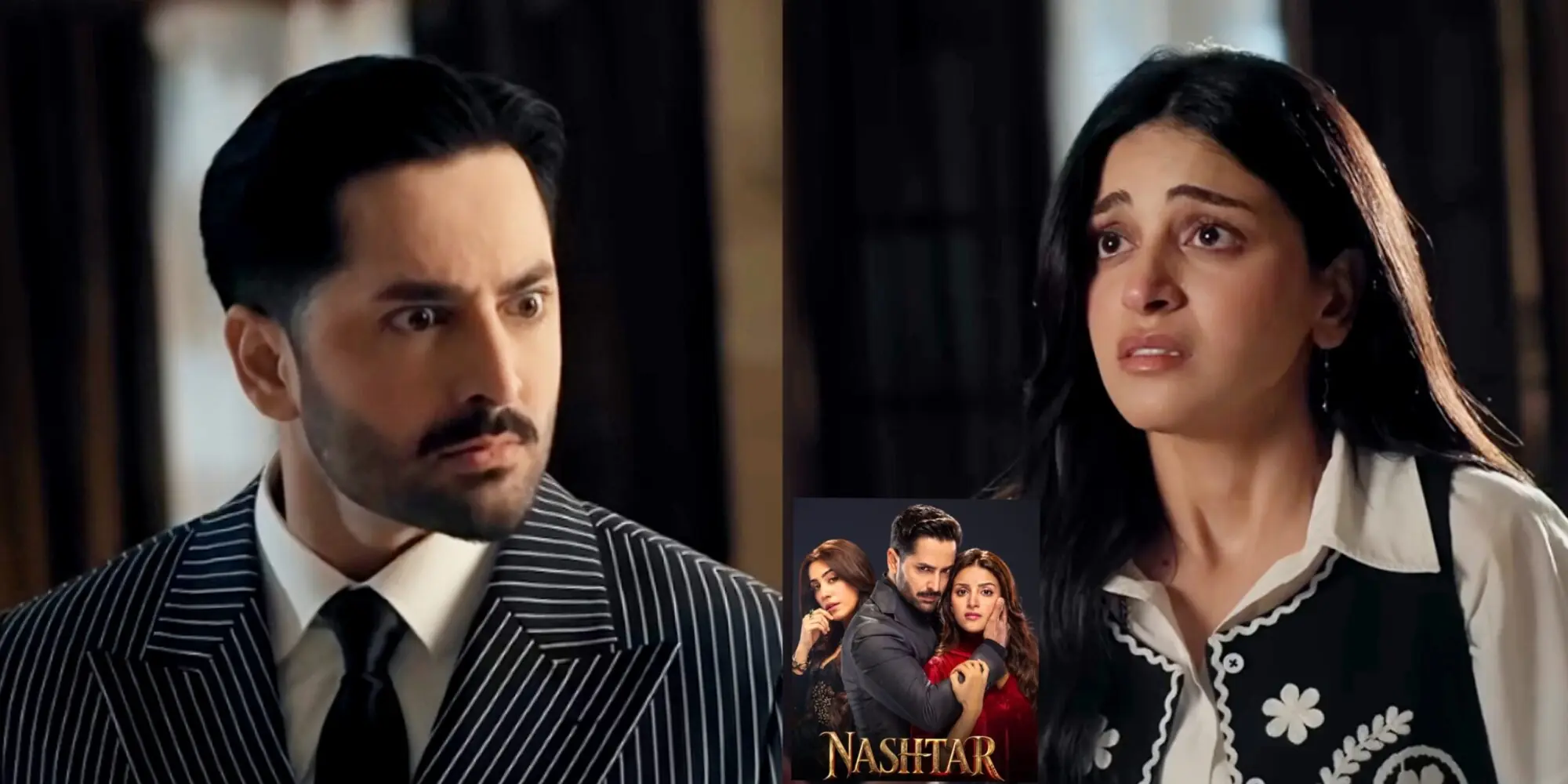
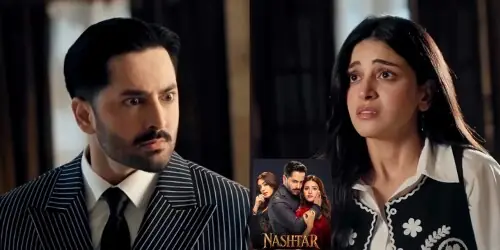
Episode 4 of the drama series Nashtar has become a significant talking point, thrusting lead actor Danish Taimoor and his portrayal of a revenge-driven character into the heart of a fervent public debate. The episode’s intense narrative and Taimoor’s characteristic performance have sparked widespread discussion across social media platforms and fan communities.
Taimoor’s character in Nashtar embodies an archetype that has become increasingly familiar to his audience: the wronged man consumed by a quest for retribution. This intense, often morally ambiguous persona has, for many, become a hallmark of his recent work. While some viewers commend his powerful commitment to these roles, delivering raw emotion and captivating intensity, others are beginning to voice concerns about a perceived repetitiveness in his character choices.
The debate surrounding Nashtar is sharply divided. On one side, fans laud Taimoor’s compelling performance, finding the intricate plotting and visceral emotional depth of his character utterly gripping. They appreciate the dramatic tension he brings to the screen. Conversely, a growing segment of the audience expresses fatigue, questioning whether this ‘signature’ character limits his artistic range and contributes to a cycle of similar narratives dominating Pakistani television. The discussion extends beyond mere performance, delving into the character’s motivations and the broader implications of such portrayals in contemporary storytelling.
This isn’t an isolated incident in the current drama landscape. Recent weeks have seen a noticeable surge in audience engagement and critical scrutiny regarding character development in television serials. Viewers are becoming increasingly vocal about problematic portrayals, particularly male characters whose actions or ideologies are perceived as regressive or one-dimensional. There’s a clear demand for more nuanced, progressive, and diverse storytelling that moves beyond established tropes.
Despite the ongoing debate, Taimoor’s undeniable ability to command attention remains a constant. His intense delivery ensures that even controversial characters leave a lasting impression, keeping audiences glued to their screens, often precisely because they wish to engage with and debate the very essence of his roles.
As Nashtar continues its run, the conversation around Taimoor’s character is poised to intensify. This phenomenon highlights a crucial juncture for Pakistani television, where evolving audience expectations are pushing creators to strike a delicate balance between popular, high-stakes drama and fresh, thought-provoking narratives that resonate with a modern viewership.







Comments