
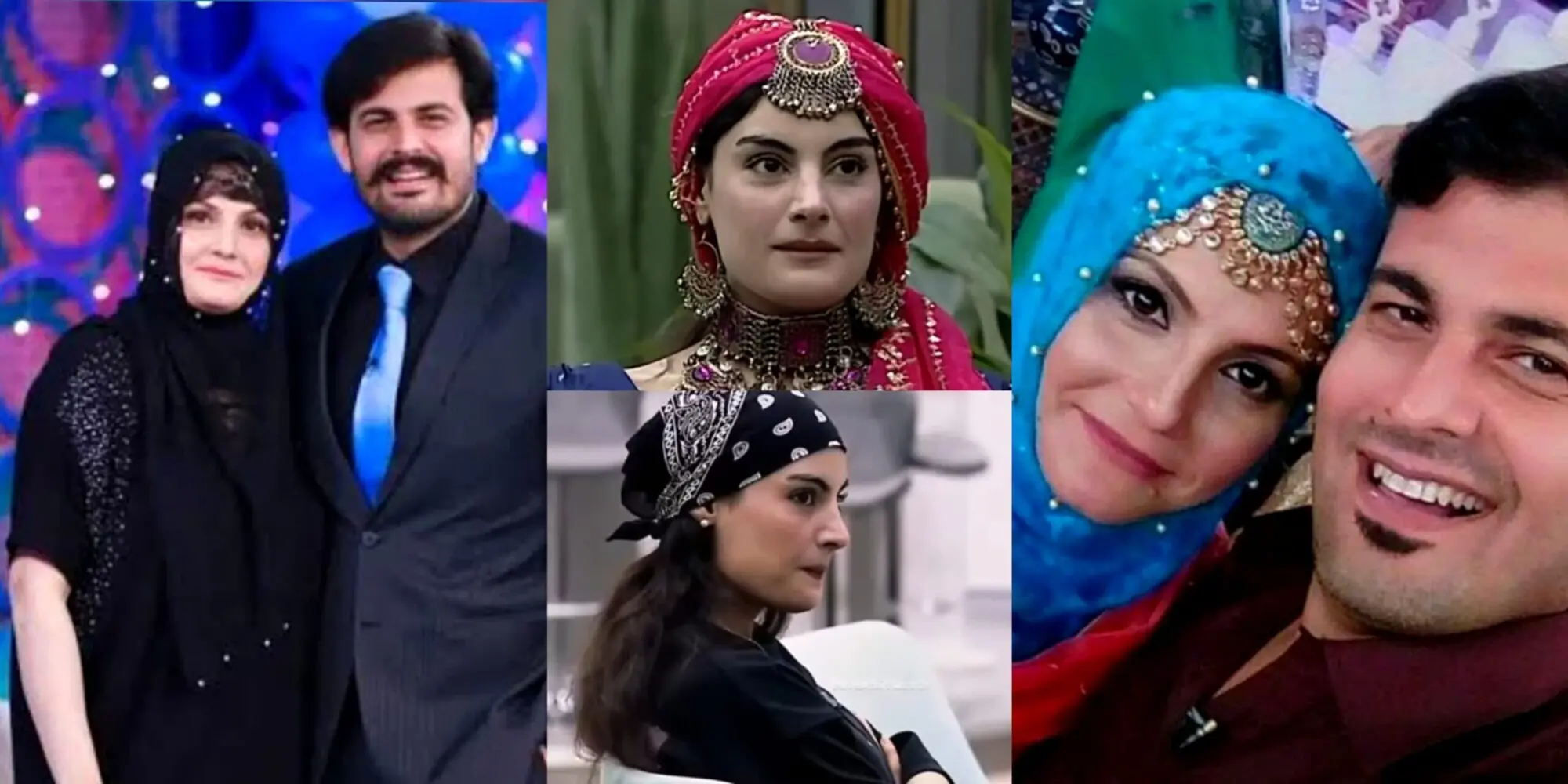
The digital world is currently captivated by an intriguing visual phenomenon: the striking resemblance between Pakistani actor Babrik Shah’s wife and acclaimed Turkish actress Esra Ayesha. This unexpected likeness has ignited a fervent debate across social media platforms, drawing in countless netizens and prompting a flurry of comparisons.
The discussion gained traction as images of Babrik Shah’s wife began circulating online. Almost immediately, eagle-eyed fans and social media users started drawing parallels to Esra Ayesha, a beloved figure known for her captivating performances, particularly in historical dramas that have garnered immense popularity in Pakistan. The shared facial features, expressive eyes, and even a similar overall demeanor quickly became the focal point of online chatter.
At the heart of this viral sensation lies a spirited debate. On one side, many argue that the resemblance is undeniably uncanny, suggesting an almost doppelgänger-like quality that transcends mere coincidence. Side-by-side photo comparisons, often shared with enthusiastic captions, aim to highlight every perceived similarity, from the curve of a smile to the shape of an eyebrow. These proponents often express astonishment at how two individuals from different parts of the world could share such a striking likeness.
Conversely, another segment of the online community views the comparison with a more critical eye. They contend that while there might be some superficial similarities, the likeness is often exaggerated by specific angles, lighting, or even similar styling choices. For them, the ‘doppelgänger’ claim is an overstatement, suggesting that the human eye is prone to finding patterns, especially when fueled by collective excitement.
This fascinating discussion also taps into a broader cultural connection. The immense popularity of Turkish entertainment in Pakistan has fostered a unique bond between audiences and Turkish stars. Such comparisons, therefore, resonate deeply, bridging geographical and cultural divides through shared admiration for public figures. It underscores how visual media and the interconnectedness of social platforms can create unexpected links and conversations.
Beyond the surface-level fascination, the debate subtly touches upon themes of beauty standards, identity, and the sheer power of viral content. It illustrates how a seemingly lighthearted observation can rapidly escalate into a major online conversation, reflecting collective curiosity and the inherent human tendency to seek out and discuss connections. As the digital discourse continues, one thing remains clear: the striking similarity between Babrik Shah’s wife and Esra Ayesha has firmly captured the public’s imagination, serving as a testament to the internet’s unique ability to connect, compare, and spark conversations that transcend borders.













Comments