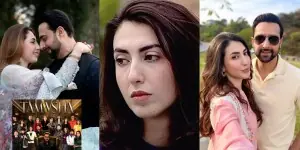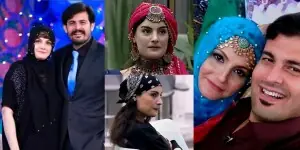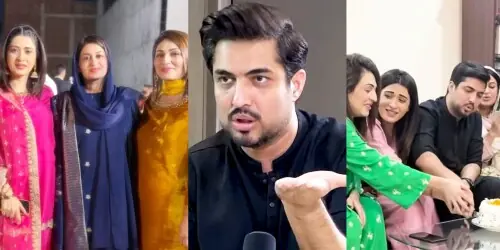
In the often-scrutinized world of public figures, personal lives frequently become subjects of widespread discussion. Few have navigated this landscape with as much candor and public interest as renowned journalist and television personality Iqrar Ul Hassan. His unique family structure, involving multiple marriages, has consistently drawn attention, culminating recently in a much-discussed statement regarding the distribution of his affection among his wives.
The conversation around Iqrar Ul Hassan’s personal life intensified following a candid declaration where he openly named Qurat-ul-Ain Iqrar as his ‘Most Important.’ This statement, delivered with a characteristic blend of sincerity and humor, sparked immediate reactions across social media and news platforms. While such a public ranking of affection might seem unconventional, it offered a rare glimpse into the dynamics of his household and his approach to managing complex relationships under the public eye.
Iqrar Ul Hassan’s first wife, Qurat-ul-Ain Iqrar, a respected media personality in her own right, has long been a visible part of his life, sharing a son, Pehlaj, with him. The ‘Most Important’ tag, while potentially controversial to some, underscored her foundational role within the family unit, a sentiment that resonated with many of his long-time followers.
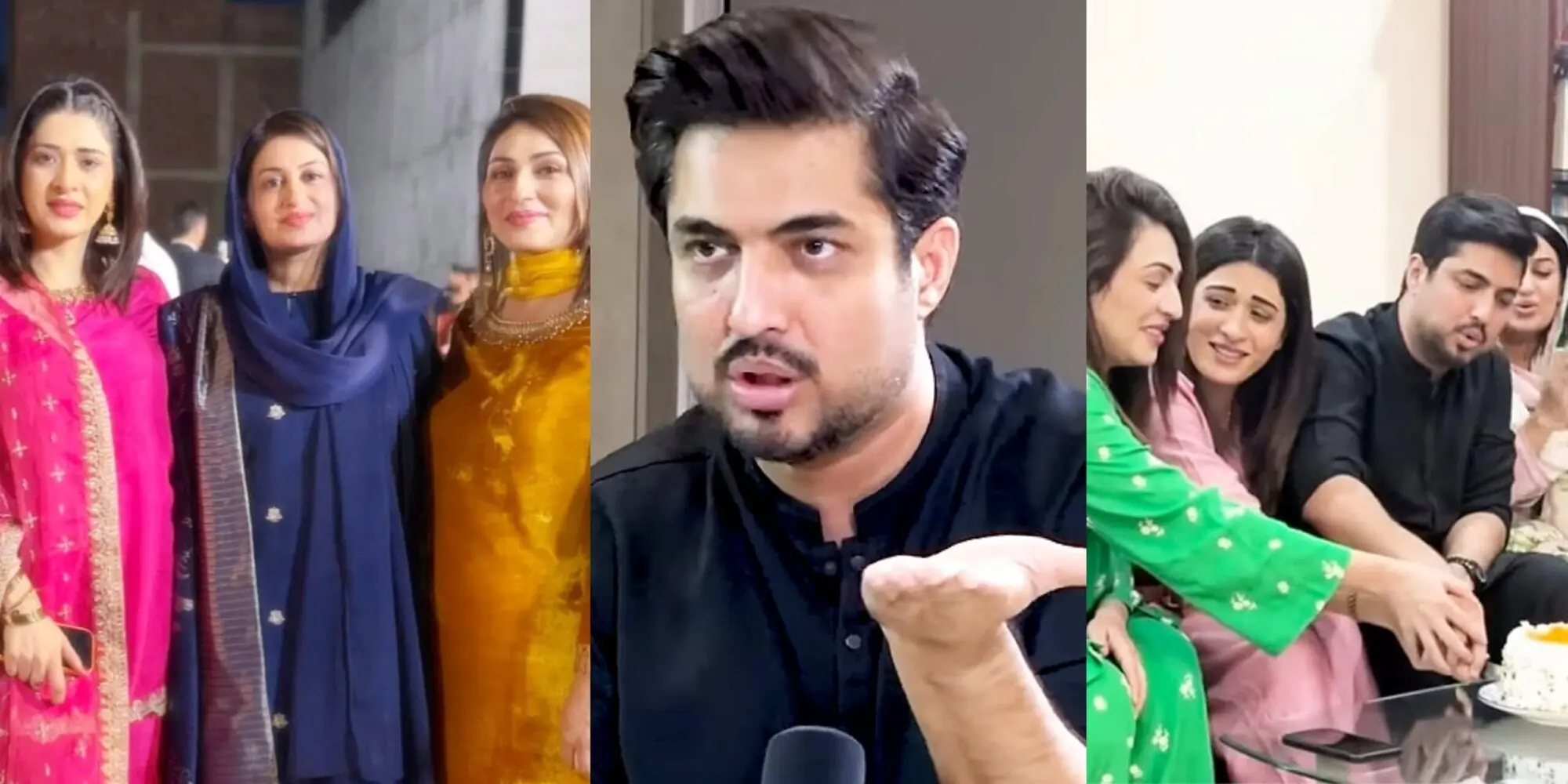
The narrative of Iqrar Ul Hassan’s family life also prominently features Farah Yousaf, his second wife. Their relationship has been a topic of public interest, with Farah herself having previously addressed aspects of their bond, including past discussions around separation, indicating a journey that has seen its share of challenges and evolution. Despite these complexities, the family has often presented a united front, with instances like Farah Yousaf’s birthday celebration seeing the collective participation of Iqrar and his wives, suggesting a concerted effort towards harmony and mutual respect within their unique arrangement.
Adding another layer to this intricate family portrait is Aroosa Khan. Her presence at family celebrations, notably her birthday celebrated with Iqrar ul Hassan’s family, further underscores the intricate web of relationships that define his personal sphere. While the specifics of her relationship are often a subject of speculation, her integration into family events highlights a broader, inclusive approach to his domestic life.
Navigating a polygamous marriage in the public eye presents a unique set of challenges, from societal perceptions to the delicate balance of individual relationships. Iqrar Ul Hassan’s willingness to openly discuss these dynamics, even to the extent of making a ‘love distribution’ statement, reflects a desire to manage public understanding and perhaps, to define the terms of his personal narrative. His family’s public appearances, whether celebrating birthdays or simply sharing moments, often serve as a testament to their efforts in fostering a cohesive environment amidst intense scrutiny.
Ultimately, Iqrar Ul Hassan’s statements and the public’s reaction to them offer a fascinating case study in modern relationships, celebrity culture, and the evolving definitions of family in contemporary society. His candidness, while sometimes provocative, continues to keep him at the center of public discourse, not just for his journalistic endeavors but also for the intriguing tapestry of his personal life.